

Table of Contents
- What Makes a Small Batch Coffee Roaster Stand Out in 2026
- Roast Date Freshness and Bean Quality
- Quick Comparison: Top Small Batch Coffee Picks
- 1. Best Sellers Sample Pack: A World Tour in Six Cups
- 2. Single Origin Favorites Sample Pack: For the Curious Palate
- 3. Bali Blue: A Dark, Syrupy Escape
- 4. Ethiopia Natural: Bright, Fruity, and Unforgettable
- How to Brew Coffee Like a Barista at Home
- The Benefits of Small Batch Roasting for Flavor and Freshness
- Frequently Asked Questions
Last Updated: September 13, 2026
What Makes a Small Batch Coffee Roaster Stand Out in 2026
The best small batch coffee roasters 2026 distinguish themselves through roast-to-order production, transparent sourcing, and beans that reach your door within days of roasting rather than months. This guide from Chicago Roast Coffee breaks down what separates a genuine micro-roastery from a company that simply prints "small batch" on the bag.
Small batch roasting means producing coffee in limited quantities, typically measured in pounds rather than tons per roast cycle (Standards). That smaller volume gives the roaster tighter control over the roasting process, which matters because coffee loses its best flavors quickly after roasting. A bag sitting on a grocery shelf for weeks tastes flat next to one roasted the day before it ships.
The five picks below cover sample packs, single origins, and everyday blends, with prices and tasting notes for each.
Roast Date Freshness and Bean Quality
Freshness is the single most important variable in how your coffee tastes. According to guidance from the Specialty Coffee Association on freshness, coffee reaches peak flavor within days to a few weeks after roasting and declines from there. A roast date printed on the bag tells you exactly what you're buying; a "best by" date does not.
Bean quality starts at the farm. Altitude, processing method, and variety all shape the final cup. Washed process coffees tend to taste clean and bright. Natural process coffees, like our Ethiopia Natural, lean fruitier and heavier. Knowing which process produced your beans helps you predict what you'll taste before you brew.
Quick Comparison: Top Small Batch Coffee Picks
The table below summarizes the picks in this guide so you can scan prices, roast levels, and best uses before reading the full reviews.
| Product | Price | Roast Level | Best For |
|---|---|---|---|
| Best Sellers Sample Pack | $24.99 | Dark to Medium | First-time buyers exploring blends |
| Single Origin Favorites Sample Pack | $24.99 | Medium to Medium-light | Curious drinkers comparing regions |
| Bali Blue | $24.99 | Medium-dark | Espresso and milk drinks |
| Ethiopia Natural | $24.99 | Medium-light | Pour-over and filter brewing |
Every option here is roasted to order, which is the practical difference between small batch coffee and mass-produced bags.

1. Best Sellers Sample Pack: A World Tour in Six Cups
The Best Sellers Sample Pack is the smartest starting point if you're new to small batch coffee. Six 2-ounce packs let you try the house blends and a few single origins without committing to a full bag of anything. It includes the 6Bean Blend, a dark roast built for espresso, plus Cowboy Blend, Breakfast Blend, and single origins from Peru, Mexico, and Bali.

What works: the variety. You get a dark, espresso-friendly coffee and medium roasts side by side, so you learn your own preferences fast.
2. Single Origin Favorites Sample Pack: For the Curious Palate
If you already know you prefer single-origin beans, this pack skips the blends entirely. It carries six 2-ounce packs from Brazil Santos, Colombia, and Ethiopia, each with distinct cupping notes. Brazil Santos brings cocoa and smoothness.
The value here is comparison. Tasting six origins side by side teaches you more about flavor profile, acidity, and body than reading about them ever will.
3. Bali Blue: A Dark, Syrupy Escape
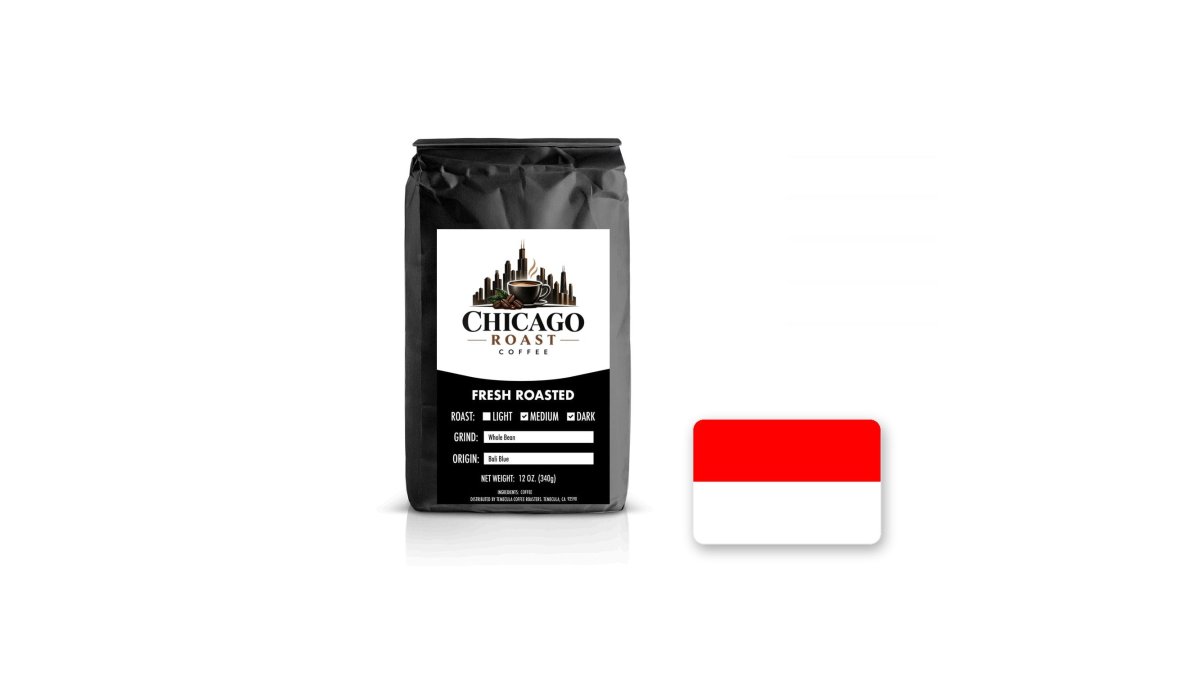
Bali Blue is a medium-dark single origin from smallholder farmers in Kintamani, Bali, grown between 1,200 and 1,600 meters. The wet-hulled processing method gives it a heavy body with dark chocolate, molasses, and brown sugar notes. This is the pick for anyone who drinks their coffee with milk or pulls espresso shots.

For dark roast drinkers coming from grocery store bags, it's a clear upgrade at $24.99.
4. Ethiopia Natural: Bright, Fruity, and Unforgettable
Ethiopia Natural is the most distinctive coffee in this lineup. Grown by smallholder farmers in the Sidama Zone at 1,700 to 1,900 meters, it's a medium-light roast with milk chocolate, fruity, and caramel notes. The full natural process, where cherries dry on raised beds with the fruit still attached, is what produces that fruit-forward character.
At $24.99, it's the pick for drinkers who want something they can't find on a supermarket shelf.
How to Brew Coffee Like a Barista at Home
Brewing café-quality coffee at home comes down to controlling four variables, grind size, water temperature, ratio, and contact time, and then holding them steady so you can actually taste what changes. The reason most home cups taste muddy isn't the beans; it's that one of these four drifted between brews.
Here's the working range for brewing coffee:
- Grind size: medium (like table salt) for drip and pour-over; fine (like powdered sugar) for espresso.
- Water temperature: 195-205°F.
- Ratio: start at 1:16 (one gram of coffee to 16 grams of water). A standard 12-ounce mug is about 355 grams of water, so you'd dose roughly 22 grams of coffee.
- Time: 3-4 minutes total for pour-over, 4-5 minutes for drip, 25-30 seconds for a double espresso shot.
Equipment that actually matters (and what it costs):
- A digital scale with 0.1-gram resolution is the single highest-return purchase. Expect $15-$25. Scooping by volume varies by 20-30% depending on bean density and roast level, which is enough to swing your cup from sour to bitter.
- A burr grinder (hand or electric) produces even particle sizes; a blade grinder pulverizes and creates fines that over-extract. Hand burr grinders start around $40; entry electric burr grinders run $80-$150.
- A gooseneck kettle gives you pour control for pour-over. Variable-temperature models run $60-$100; a stovetop gooseneck is $25-$40 if you're willing to use a separate thermometer.
- A pour-over dripper (V60, Kalita Wave, or similar) costs $15-$30 and brews one to two cups at a time, ideal for sampling small-batch beans side by side.
A simple tasting protocol for sample packs: Brew two 2-ounce sample packs back to back using identical grind, water, ratio, and time. Change only the bean. Slurp from a spoon (the aeration spreads aroma across your palate), note the first impression, then wait 30 seconds and note the finish.
If you're new to small-batch coffee, the fastest way to learn your own preferences is to brew the same bean three ways, drip, pour-over, and espresso, before moving to the next bag.
The Benefits of Small Batch Roasting for Flavor and Freshness
The benefits of small batch roasting come down to three things large industrial roasters can't easily replicate: batch-level control, roast-to-order timing, and the ability to source micro-lots that don't exist in commercial volumes.
Batch-level control. A small roaster running 5- to 30-pound batches can adjust the roast curve, the time-temperature profile that determines how sugars caramelize and acids break down, between batches. If a batch runs fast and tastes underdeveloped, the roaster can stretch the next one by 30-60 seconds during first crack. A 500-pound industrial drum can't make that adjustment mid-run without scrapping the whole batch, so large roasters tend to roast to a fixed profile and blend for consistency rather than chasing peak flavor in any single lot.
Roast-to-order timing. Most small roasters roast after you order, which means beans ship within 1-3 business days of roasting rather than sitting in a distribution warehouse for weeks. Coffee's aromatic compounds begin degrading the moment the beans cool, and the decline is steepest in the first two weeks. A bag roasted Monday and brewed Friday tastes noticeably different from a bag roasted six weeks ago, even if both carry the same origin name and roast level.
Micro-lot access. Small roasters can buy 10-30 bags of a single farm's output, which is how you end up with coffees like a washed Ethiopian from a specific washing station or a wet-hulled Balinese lot from a named cooperative. Those lots are too small for national grocery distribution, so they simply don't exist in mass-market channels.
The budget angle most guides skip. Small-batch doesn't have to mean expensive. Sample packs, typically six 2-ounce portions, usually land in the $20-$30 range and brew roughly 12-18 cups total, which works out to about $1.50-$2.50 per cup. That's competitive with a café drip coffee and well below a specialty latte, and it lets you try six origins for the price of one full-size bag. If you're exploring specialty coffee on a budget, sample packs and 12-ounce bags (rather than 2-pound bulk orders) are the two formats that keep discovery costs low without sacrificing freshness.
Decaf done right. Specialty decaf is the most underserved corner of the small-batch market. Look for roasters using the Swiss Water Process or CO₂ method rather than solvent-based decaffeination, both preserve more of the bean's origin character, and small roasters are more likely to offer them because they can roast decaf in small enough batches to keep it fresh. A small-batch decaf roasted to order tastes dramatically better than the pre-ground decaf on a grocery shelf, which is often roasted months before purchase.
Shipping distance matters more than most buyers realize. A roaster shipping regionally gets beans to you in 1-3 days and with a smaller carbon footprint than one shipping coast-to-coast. If sustainability is part of your decision, ask two questions before ordering: where does the roaster ship from, and how quickly do orders leave the facility after roasting? A roaster that roasts Tuesday and ships Wednesday from two states away beats one that roasts Tuesday and ships Friday from across the country on both freshness and emissions.
As consumer research on coffee freshness and storage has documented, aroma compounds degrade steadily after roasting, so the gap between roast date and brew date directly affects what you taste. The practical takeaway: treat the roast date as the single most useful number on the bag, and treat the ship-from location as the second.
Frequently Asked Questions
What is the difference between small-batch and mass-produced coffee?
Small-batch coffee is roasted in quantities of a few dozen pounds at a time, allowing the roaster to monitor every second of the roast and adjust for bean density, moisture, and origin. Mass-produced coffee is roasted in hundreds of pounds per batch, often to a uniform dark profile that masks flaws. Small-batch roasting preserves the unique flavor profile of each single-origin bean. The result is fresher, more nuanced coffee with a roast date you can trust.
How does small-batch roasting affect coffee flavor profiles?
Small-batch roasting lets the roaster tailor the roast curve to each bean's origin and processing method. Because batches are small, there is less risk of scorching or baking, so the bean's natural sweetness, acidity, and aroma survive intact. This is why the benefits of small batch roasting show up directly in the cup.
What should I look for when choosing a small-batch coffee roaster?
Start with the roast date. Freshness matters more than almost anything else, so look for a roaster that prints the roast date on the bag and ships within days of roasting. Next, check the sourcing information: region, altitude, processing method, and grower details tell you how transparent the roaster is. Finally, consider the range. A roaster that offers both blends and single-origin options, like the sample packs from Chicago Roast Coffee, lets you explore without committing to a full bag.
Are small-batch coffee roasters more expensive than grocery store coffee?
Yes, typically. A 12-ounce bag of small-batch coffee often costs $18 to $25, while grocery store bags can run $8 to $12. The difference pays for fresher beans, better sourcing, and the labor of roasting in small quantities. You also use less coffee per cup because the flavor is more concentrated, so a bag stretches further. If you are curious, start with a sample pack to compare the taste side by side before committing to a full-size bag.
Can I use small-batch coffee beans with my Nespresso machine?
No, whole beans will not work with Nespresso machines. However, you can still enjoy small-batch coffee by switching to a drip brewer, French press, or pour-over setup. If you want to brew coffee like a barista, whole beans are the starting point.